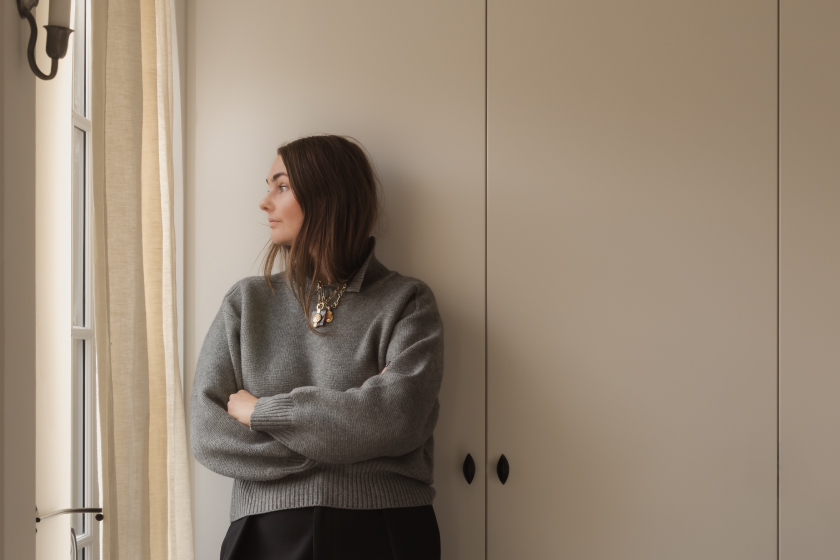
Ida Edith Bruun Andersen is a PR and branding consultant and interior design enthusiast known for her curated aesthetic, blending minimalism with warm hygge elements. She approached the renovation with a clear intention: to create a home that resists trends and instead evolves gracefully over time.
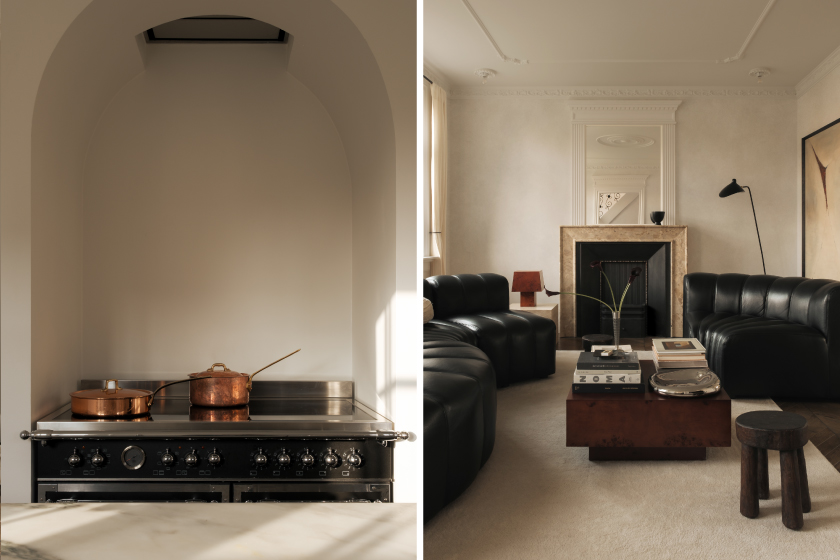
Ida describes a clear vision for the project: a timeless aesthetic rooted in Parisian elegance.
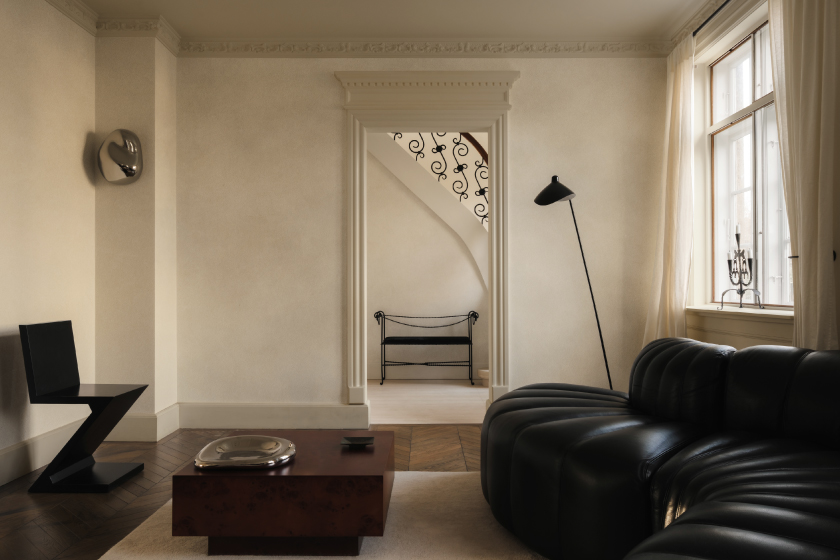
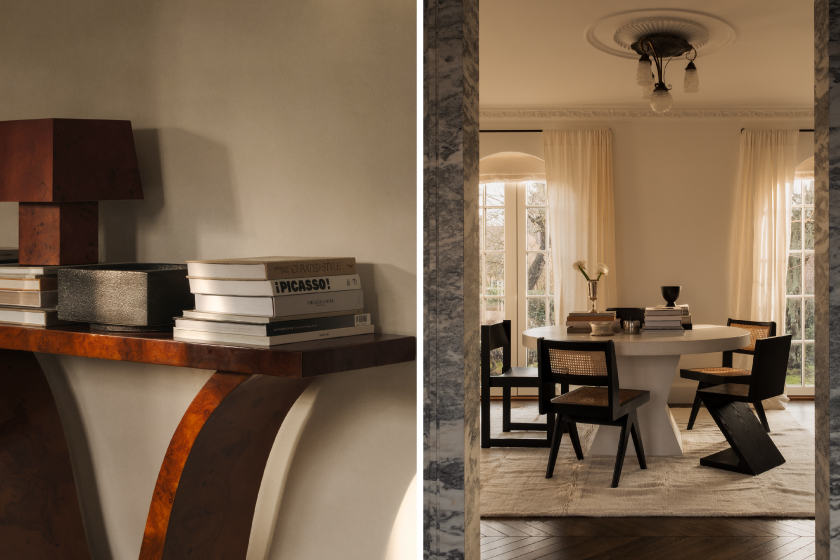
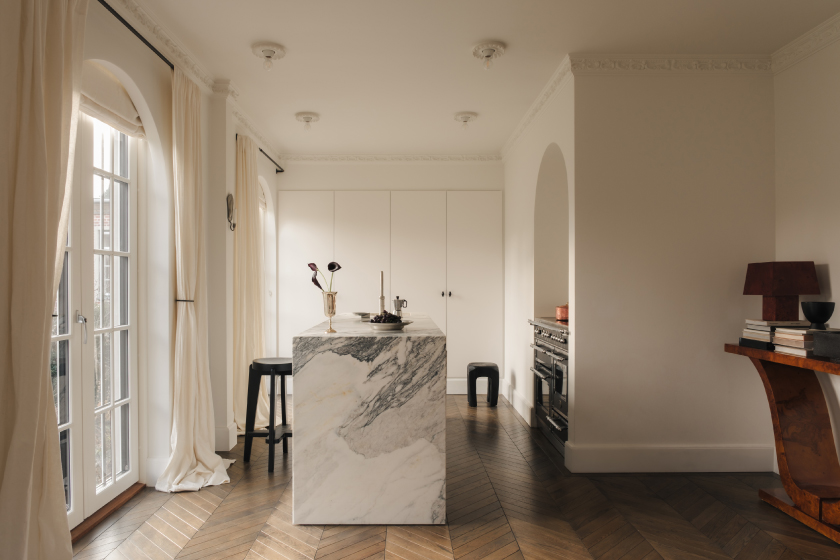
The 100-year-old townhouse is treated not as a simple renovation, but as a continuation of its history. Ida prioritised quality and longevity, favouring natural materials, muted tones, and architectural restraint. This informed her selection of durable, age-worthy materials such as marble, herringbone wood flooring, and plaster mouldings.
Bertazzoni appliances are integrated within this framework, bringing Italian engineering into a restrained, timeless composition that supports the overall architectural vision.
Discover more about the Cooker
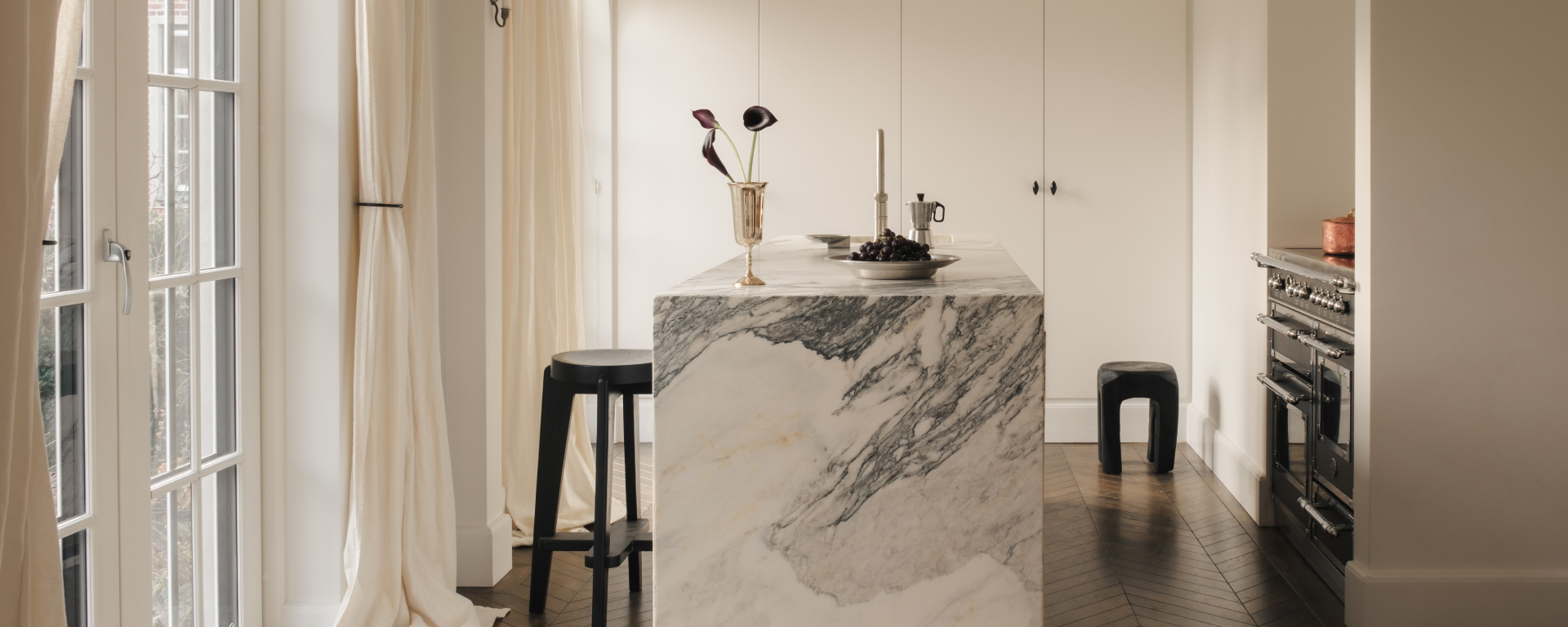
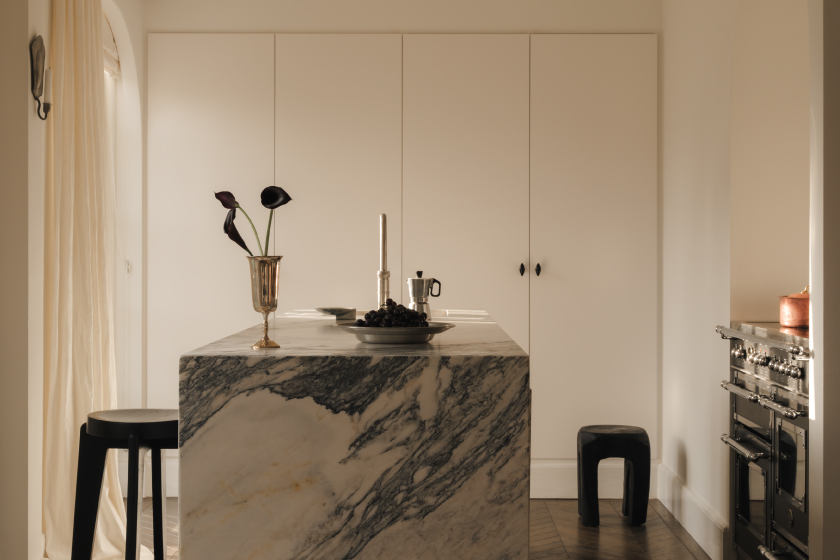
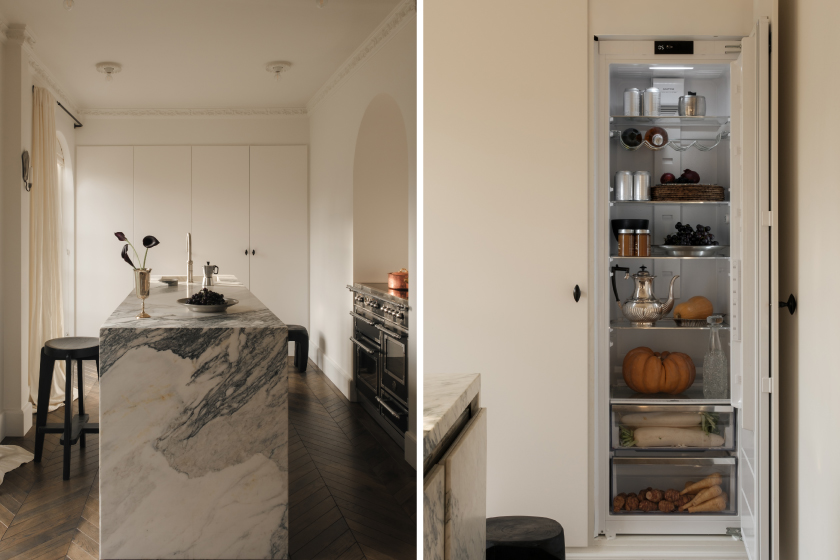
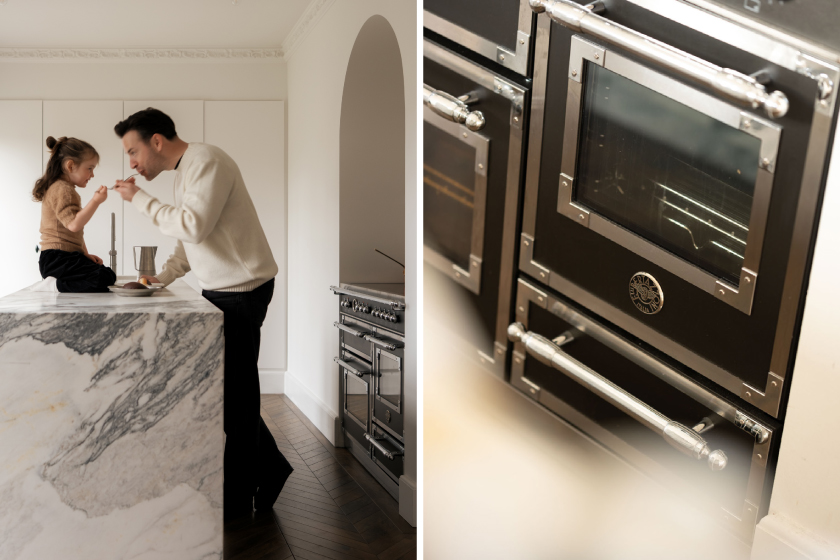
At the centre of the kitchen, the Bertazzoni Heritage Series cooker in matte black serves as a key architectural element. Set within a palette of soft beige, white, and natural textures, it adds contrast and depth while maintaining balance.
The design of the freestanding cooker is firmly rooted in tradition and a historically rich domestic imagination. Bertazzoni’s Heritage Series draws inspiration from the earliest wood-burning stoves designed in the early 20th century, reinterpreting their formal language through a contemporary lens. The result is an aesthetic that seamlessly combines tradition and performance.
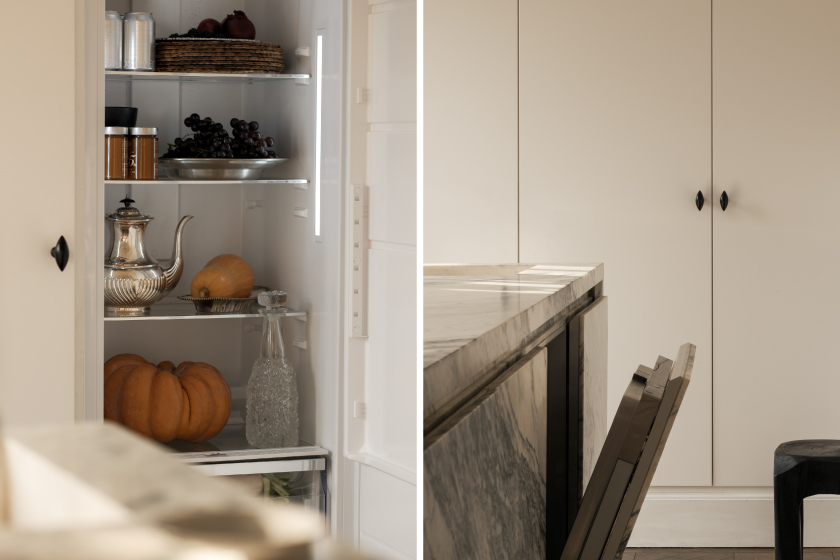
In this project, the kitchen was conceived as a calm and cohesive space. The refrigerator and dishwasher are integrated behind cabinetry, ensuring a discreet visual presence that supports the architecture without disrupting its balance.
“We chose Bertazzoni appliances because they perfectly align with our overall approach to design — timeless, understated, and built to last. From the very beginning, we were drawn to the brand’s strong heritage and the way it blends Italian craftsmanship with a refined architectural expression”, Ida explains.
Ida did not want the kitchen to feel like a closed-off or purely functional space, especially within a compact home. The intention was to create an open, welcoming environment where people naturally gather and feel included, whether for an after-work glass of wine with friends or baking with her daughter and her friends.
Functionality, however, remained essential. The inclusion of three ovens became a key element of flexibility, enabling a more versatile approach to daily use.
Cooking, hosting, and family routines coexist seamlessly, reflecting a vision in which design and engineering are intertwined with a culture of good food, resulting in a space designed for real, everyday life.
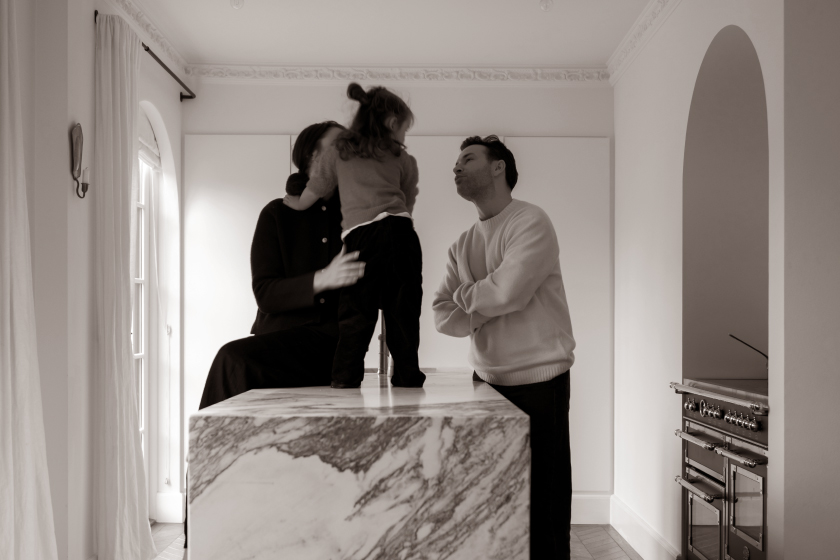
For the family, the kitchen is a shared space, not only for cooking but for being together. This openness makes everyday moments more social and relaxed, exactly as intended.
The end of the day becomes the most meaningful moment: everyone naturally gathers in the kitchen, around simple activities and daily routines, while preparing something and sharing a glass of wine.
As Ida explains: “For us, it’s a natural place to come together, without any fixed structure, where our daughter draws or plays around the island while we cook or spend time together — this is what truly and most simply describes our family life.”
Photo by @henry_vares, @apless.